Ultimate Handbook to Bass Poles and Spools: Enhance Your Angling Experience With the Best Gear
The selection of bass rods and reels significantly impacts an angler's success on the water. Comprehending the intricacies of rod types, reel choices, and gear ratios can improve results. Upkeep and timely upgrades also play crucial roles in enhancing the fishing experience. For those seeking to refine their approach, investigating these elements could lead to more successful outings. What considerations should every angler keep in mind when choosing their gear?
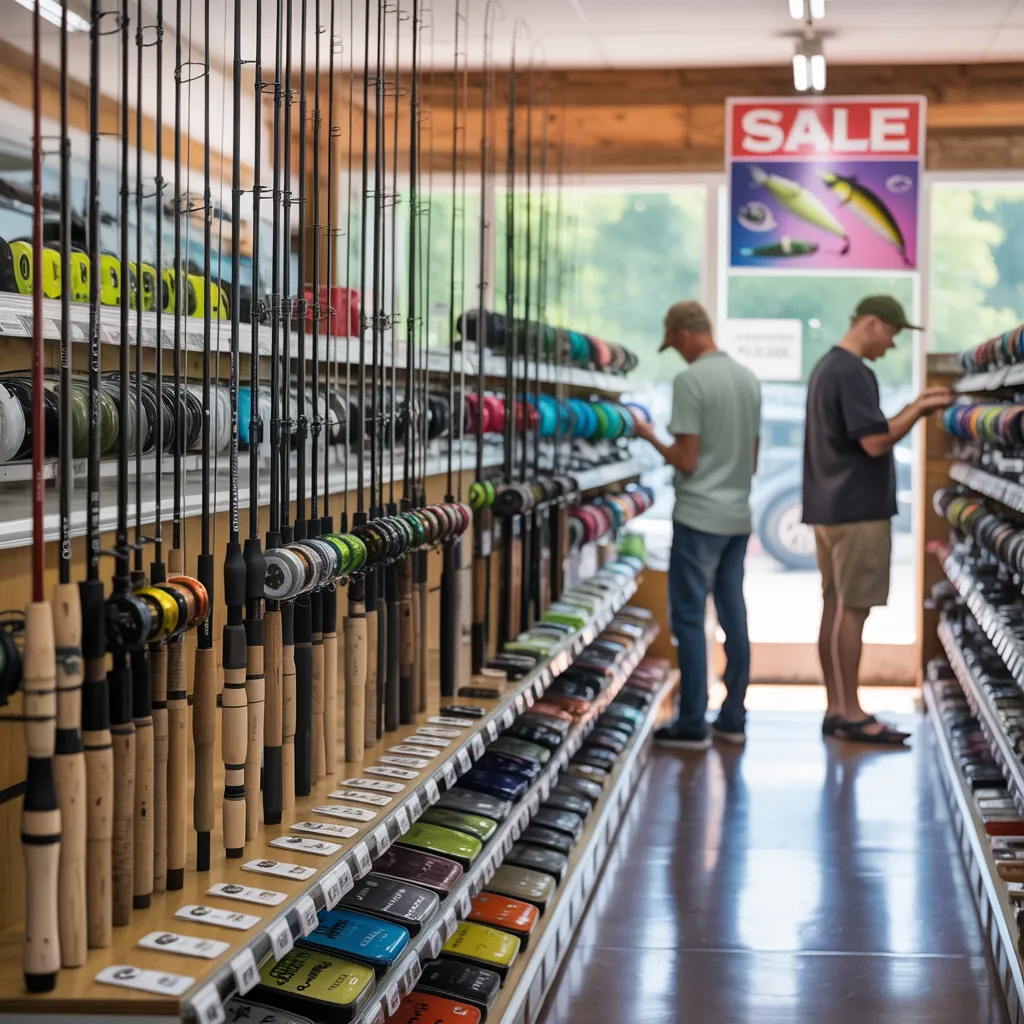
Exploring Fish Rod Styles: What You Should to Know
When selecting the suitable bass rod, anglers face myriad selections adapted to varied angling methods and conditions. Understanding the assorted types of bass rods is vital for bettering performance. In typical fashion, bass rods are categorized into spinning, baitcasting, and fly rods, each designed for specific techniques. Spinning rods offer versatility and simplicity, rendering them well-suited for newcomers and subtle techniques. Baitcasting rods present enhanced accuracy and control, well-suited for substantial baits and more sophisticated presentations. Fly rods, while uncommon for bass fishing, can be effective in particular circumstances, mainly in shallow waters.
Rod length and power also constitute vital elements; extended fishing rods increase how far casts reach, while assorted power ratings—from ultralight to heavy—affect durability and sensitivity. Anglers should consider their preferred fishing methods, species sought, and fishing environments when choosing the ideal rod option to enhance their bass fishing undertaking.
Ideal Rods for Different Fishing Styles
Choosing the right rod for specific fishing styles can significantly improve an fisherman's success on the water. For finesse techniques, such as drop-shotting or shaky heads, a light-to-medium spinning rod with a responsive tip is ideal, enabling accurate casts. When pursuing heavy cover or employing jigs, a heavy-action casting rod offers the strength and backbone required to handle bigger catches and navigate obstacles. For topwater fishing, a medium-action rod provides a balance of sensitivity and power, enabling successful hook sets.
Fishermen seeking versatility may prefer a medium-heavy rod, suitable for various methods. Moreover, for anglers fishing in open water or using swimbaits, an extended rod improves casting distance and control. In the end, choosing the right rod not only complements the chosen fishing style but also contributes to a more enjoyable and productive angling experience.
Spinning vs. Baitcasting: Which Reel Do you Choose?
Comprehending the distinctions between spinning and baitcasting reels is essential for anglers looking to optimize their gear for specific fishing techniques. Spinning reels are generally easier to use, making them suitable for beginners. They feature an open face, allowing for quick line retrieval and the ability to cast lighter lures accurately. This design also minimizes tangles, enhancing user experience.
By distinction, baitcasting reels grant enhanced control over casting speed and distance, resonating with experienced anglers. They work ideally for substantial lures and present superior sensitivity, which aids when detecting bites. Nevertheless, baitcast reels require more practice to master, as backlash can emerge if not manipulated appropriately.
In the end, the choice between spinning and baitcasting reels must suit the angler's skill level, approach, and the exact conditions of the water being fished. Each type delivers distinctive advantages that can greatly affect the fishing experience.
The Importance of Mechanical Ratios in Your Fishing Experience
Gear ratios function as an vital component in deciding how competently an angler can work with their catch. High gear ratios enable for faster line recovery, making them perfect for fast-moving approaches. Conversely, low gear ratios deliver increased power, which can be advantageous for reeling in bigger fish or making accurate presentations.
High Gear Ratio Benefits
While many anglers prioritize rod length and action, the gear ratio of a reel plays a vital role in elevating the fishing experience. High gear ratios, commonly between 6:1 to 8:1, allow swifter line retrieval, which can be vital when going after active fish or when quick retrieves are necessary. This speed enables anglers to respond quickly to strikes, enhancing hook-up potential. Moreover, high gear ratios allow for efficient lure presentation, particularly for techniques demanding rapid motion, such as topwater fishing or jigging. The capability to recover line quickly also reduces the time spent reeling in slack, extending the bait's presence in the strike zone. In sum, high gear ratios significantly improve responsiveness and effectiveness during fishing sessions.
Low Gear Ratio Positive Aspects
Although high gear ratios are often celebrated for their speed, low gear ratios, typically ranging from 4:1 to 5:1, offer significant benefits that can enhance the fishing experience in various situations. One key benefit is greater torque output, allowing anglers to bring in heavier baits and fight larger fish with greater control. This is particularly beneficial in situations where precision and power are essential, such as when fishing in thick cover or targeting stubborn species. Additionally, low gear ratios support a slower, more systematic retrieve, ideal for enticing fish that are less aggressive. The added control also lowers fatigue during extended fishing sessions, making it easier to maintain focus and technique. Overall, low gear ratios are invaluable tools for serious anglers.
Essential Tools for Effective Bass Fishing
To succeed in bass fishing, one needs essential equipment that enhance the angler's experience. Among these, a durable tackle box is important for organizing lures, hooks, and tools, allowing quick access to gear on the water. A quality fishing line, particularly braided or fluorocarbon, provides strength and sensitivity, vital for detecting bites. Additionally, a trustworthy net aids in safely landing fish without injury.
Polarized sunglasses are important for cutting down glare on the water, enabling anglers to spot fish and underwater structures more easily. A fishing hat or buff gives sun defense from the sun, ensuring comfort during long hours outdoors. In conclusion, a fish finder can radically enhance success rates by determining the best spots to cast. These accessories, when combined, build a complete toolkit that strengthens the overall bass fishing experience, making outings more productive and delightful.
Keeping your rods and reels in excellent condition is vital for any bass angler seeking consistent results on the water. Regular maintenance is important; following each trip, rods need to be wiped down to remove dirt and salt, while reels benefit from disassembly and detailed cleaning to reduce corrosion. Lubrication of moving parts boosts performance and extends lifespan.
Inspecting line guides and tips for damage or deterioration guarantees smooth line movement, minimizing breaks during use. Additionally, keeping rods in vertical positions or within protective cases prevents unwanted bending and deterioration.
Reels should be stored in a dry, cool location, away from direct sunlight, to prevent deterioration of materials. Checking line regularly for frays and changing it as required maintains optimal casting ability. By following these methods, anglers can ensure their equipment stays reliable and ready for action, in the end enhancing their fishing experience.
Improving Your Equipment: When and Why to Invest
Upgrading fishing gear can greatly enhance enjoyment and performance on the water. Identifying signs that equipment is outdated is essential, as is comprehending the benefits that come with new innovations. Additionally, effective budgeting for gear upgrades ensures anglers can make educated purchasing decisions without exceeding budgets.
Clues Your Gear Is Obsolete
As fishermen go after the best haul, they may not realize that their gear can become old-fashioned over time. Signs of ageing tackle include clear signs of wear, such as frayed lines or cracked rods, which can hinder performance. Additionally, legacy reels may not have consistent drag operation or accurate gear ratios, lowering casting precision and retrieval speed. If an fisherman frequently experiences equipment problems or unreliable performance, it may point to the need for an upgrade. Moreover, advancements in fishing technology, such as weight-reducing materials and heightened sensor capabilities, can enhance the overall fishing activity. Being aware of these indicators is essential for retaining an functional fishing system and assuring maximum efficiency on the water. Upgrading gear can ultimately lead to more successful fishing trips.
Positive Outcomes of Modernizing Machinery
Putting money into cutting-edge fishing equipment can greatly improve an angler's water experience. Upgrading one's gear offers various advantages, such as improved touch and efficiency. Rods using advanced technology are visit resource often lighter with superior sensitivity, helping anglers detect subtle bites more easily. Furthermore, today's reels have smoother drag systems and higher gear ratios, enabling faster retrievals and improved fish handling. Durable materials also enhance equipment toughness, making sure gear withstands rough environments, which prolongs its lifespan. Additionally, upgraded gear enhances how far and accurately you can cast, assisting in reaching those hard-to-get spots. In the end, investing in quality gear can result in greater fishing achievements and a stronger passion for angling.
Budgeting for Equipment Improvements
Determining the right time to upgrade angling equipment involves thoughtful consideration of personal finances and angling needs. Anglers should start by evaluating their current equipment's performance and identifying specific limitations that hinder their experience. Setting a budget is essential; it helps prioritize which upgrades will yield the most substantial benefits. Analyzing seasonal sales and promotions can also lead to meaningful savings. In addition, anglers should consider the long-term value of investing in top-tier gear, as it often translates to better performance and durability. Ultimately, the decision to upgrade should align with both financial capability and a genuine need for enhanced functionality, ensuring that the investment leads to a more enjoyable fishing experience.
Frequently Posed Questions
What Length Rod Is Best for Beginners?
A 6 to 7-foot rod is perfect for novice anglers, providing a combination of adaptability and precision. This length allows simpler casting motions and enhanced accuracy, making it suitable for multiple fishing conditions and techniques.
How Can I Pick the Ideal Fishing Line for My Spool?
To select the appropriate line for a reel, consider the fish species, water conditions, and fishing techniques. Line strength, type (monofilament, braided, or fluorocarbon), and diameter play essential roles in ensuring productive fishing experiences.
What Makes the Advantages of Using Fluorocarbon Line Important?
Fluorocarbon line supplies decreased visibility underwater, superior abrasion durability, and slight stretch, improving sensitivity and hook sets. Its density permits for improved sinking, making it perfect for finesse techniques and clear water conditions.
In What Method Do Weather Conditions Affect Bass Fishing Success?
Weather conditions substantially impact bass fishing by determining water temperature, light penetration, and fish behavior. Overcast days often generate better catches, while bright sunlight can drive bass deeper, shifting their feeding patterns and locations.
Can I Use Saltwater Equipment for Freshwater Bass Fishing?
Yes, salt water equipment can be deployed for freshwater bass fishing. However, anglers should review the action of the rod and reel's gear ratio to guarantee excellent performance, as saltwater equipment may be heavier and less sensitive.